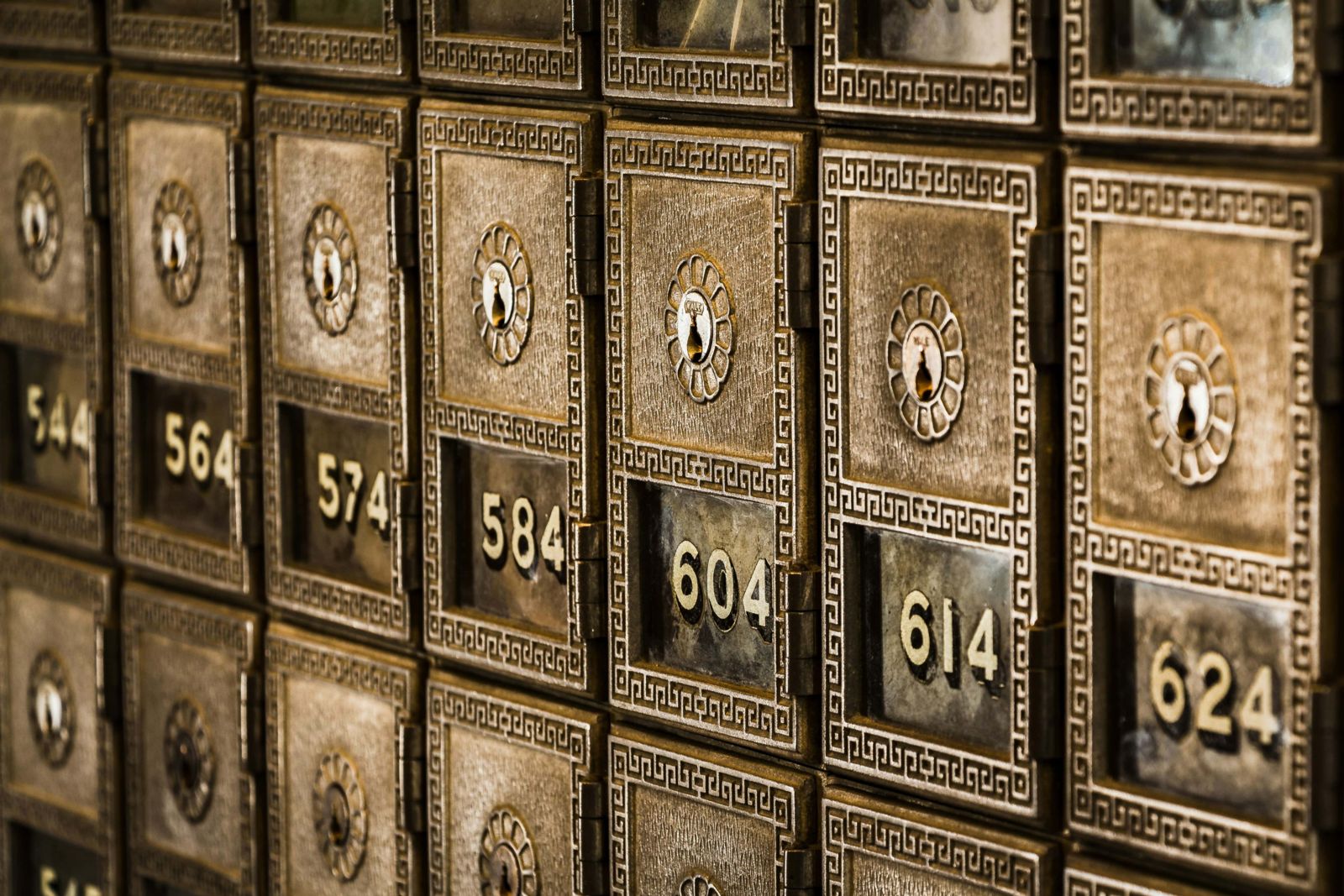
 I am often asked questions about safety deposit boxes and how to safeguard valuable and sensitive documents and assets. Among the myriad of options available, safety deposit boxes have stood the test of time as a secure and reliable means of protection. However, the decision to use a safety deposit box for estate planning comes with considerations beyond mere security. This blog post provides five crucial considerations for effectively utilizing safety deposit boxes in your estate planning strategy.
1. Understand What Should (and Shouldn't) Be Stored
What to Store: Safety deposit boxes are ideal for housing essential documents and small valuables. Consider storing insurance policies, certificates (birth, marriage, death, etc.), property deeds, car titles, valuable collectables, and jewellery.
What to Avoid: Do not store items you might need on short notice or in an emergency, such as passports or medical directives, since access to safety deposit boxes can be limited by bank hours and procedures. Your crisis is not the bank’s emergency.
- Limited Access: Banks may seal safety deposit boxes upon death, potentially requiring a court order for access. I have seen it take several months for a personal representative to access a safety deposit box in probate.
- Legal Challenges: There could be jurisdictional restrictions on who can access the box after death, complicating matters for your appointed executor.
- Knowone Knows Where It Is: I have helped personal representatives take an estate through probate where they could not locate a will, only to find out after getting an order to open a safety deposit box that the will was there all along. This adds unnecessary complications for your family in locating your will when you die.
- Inconvenient Retrieval: Banks are not always the best in providing access to the safety deposit box. Your crisis is not the bank’s emergency. Accessing the box can be extremely challenging during emergencies or outside bank hours.
- Cost: Safety deposit boxes cost money, and the ongoing fees for maintaining one can accumulate significantly over time.
2. Ensure Accessibility for Executors or Trustees
One of the critical aspects of using a safety deposit box for estate planning purposes is ensuring that your executor or trustee can access the contents when needed. This requires proactive measures:
- Grant Access: Check with your bank regarding their process for granting access to your safety deposit box upon your incapacitation or death. This might involve providing explicit permission or including stipulations in your estate planning documents.
- Keep Keyholders Informed: Make sure that individuals with legal access to your safety deposit box know their role and how and when to access the box.
3. Maintain an Inventory
Keep a comprehensive inventory of the items stored in your safety deposit box. This inventory should be kept in a secure yet accessible location and included in your estate planning documents. It not only aids in managing your estate but also ensures that your executor or trustee is aware of the assets and documents that need to be addressed.
4. Review and Update Regularly
5. Understand the Legal Implications
Conclusion
Safety deposit boxes offer a secure solution for protecting valuable assets and crucial documents. By following these tips, you can maximize the benefits of this resource while mitigating potential complications. As Estate Planning Lawyers in Tallahassee, we aim to equip you with the knowledge and strategies necessary for comprehensive estate planning. For more insights and personalized advice, reach out to our team of estate planning experts. Your peace of mind is our priority as you take steps to secure your legacy and protect what matters most.